
Philosophy
-
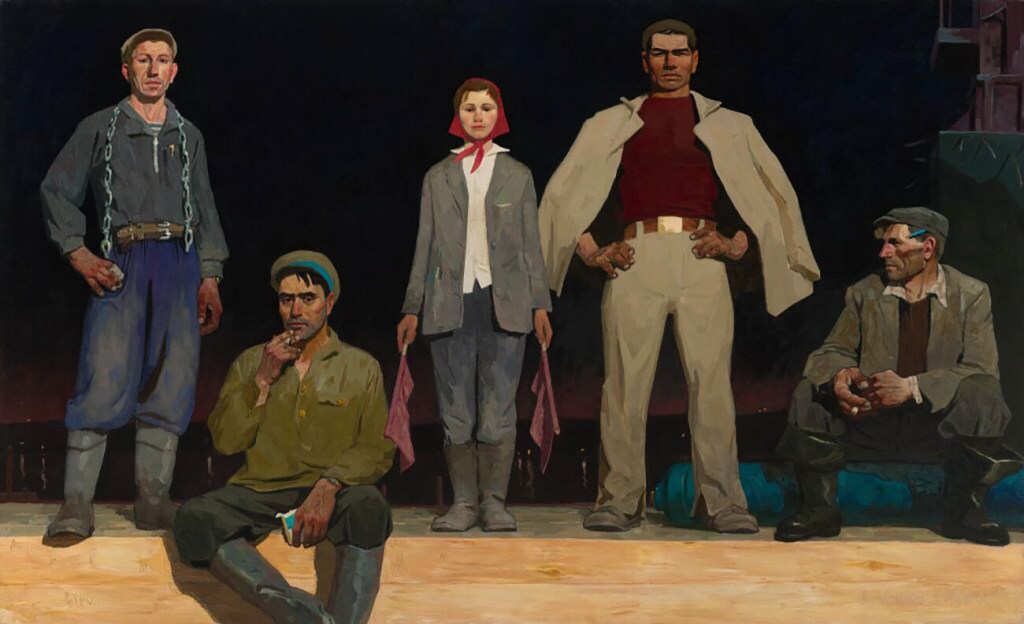
Seen through critical theory and socialism, ancient philosophy may be studied not as the intellectual history of a past civilization but as the history of the social relations from which interest in, and perspectives on ancient philosophy have emerged.
-
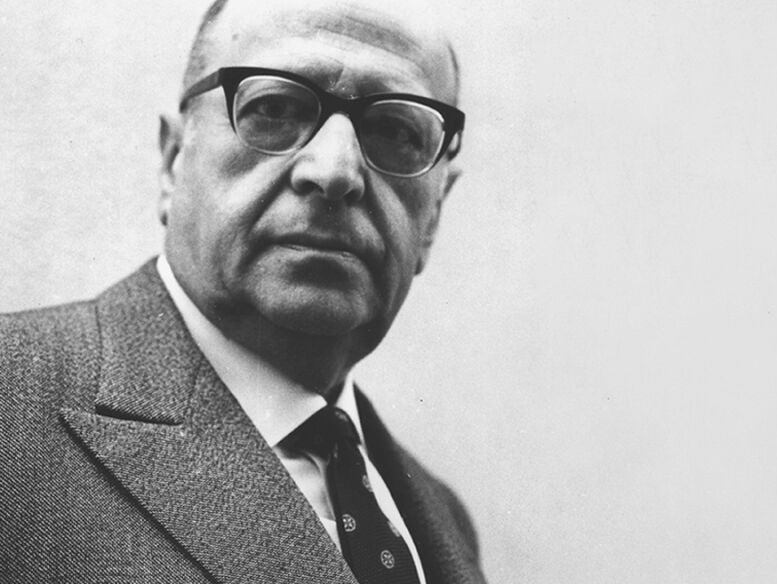
Max Horkheimer famously defined the social function of philosophy as a “critique of the establishment” (“Die gesellschaftliche Funktion der Philosophie,” GS 4, 332–351, 344: “Die wahre gesellschaftliche Funktion der Philosophie liegt in der Kritik des Bestehenden.”). Philosophy critiques established truth claims by revealing their immanent failures and by pushing philosophers to overcome them. But is…
-
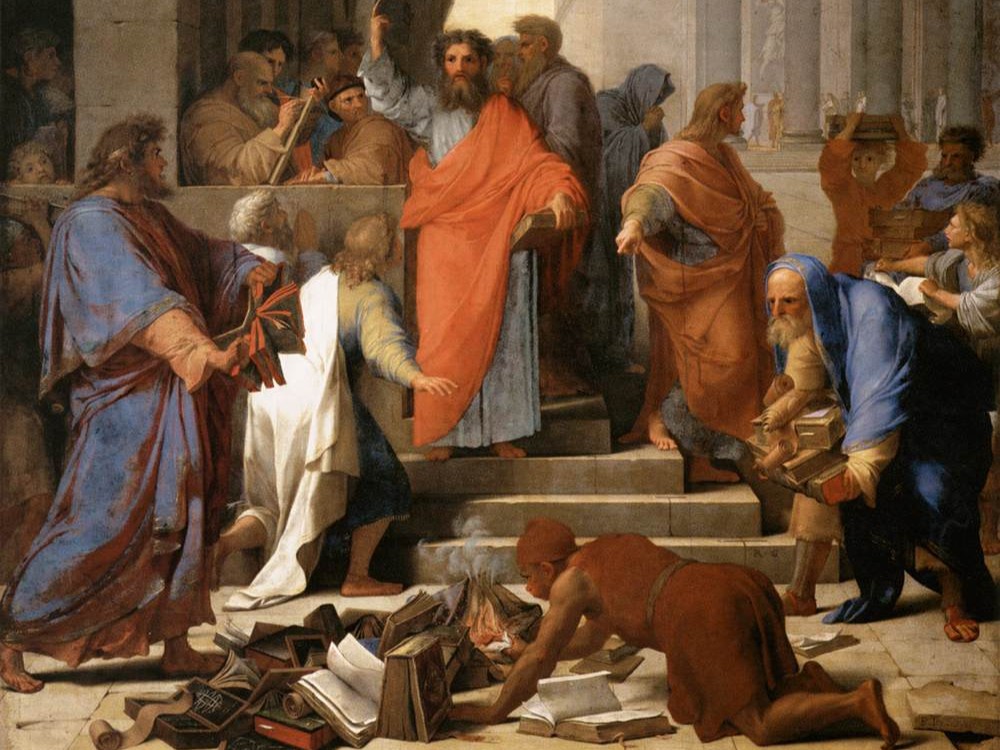
Academia is in an unprecedented crisis. Its relevance and function in the world are threatened by AI, disinformation, and public audiences’ willingness to subscribe to ideology rather than science. The survival of academics is threatened by budget cuts, the increasing number of PhD graduates, and the proportionally decreasing number of open positions. Its structural stability…
-
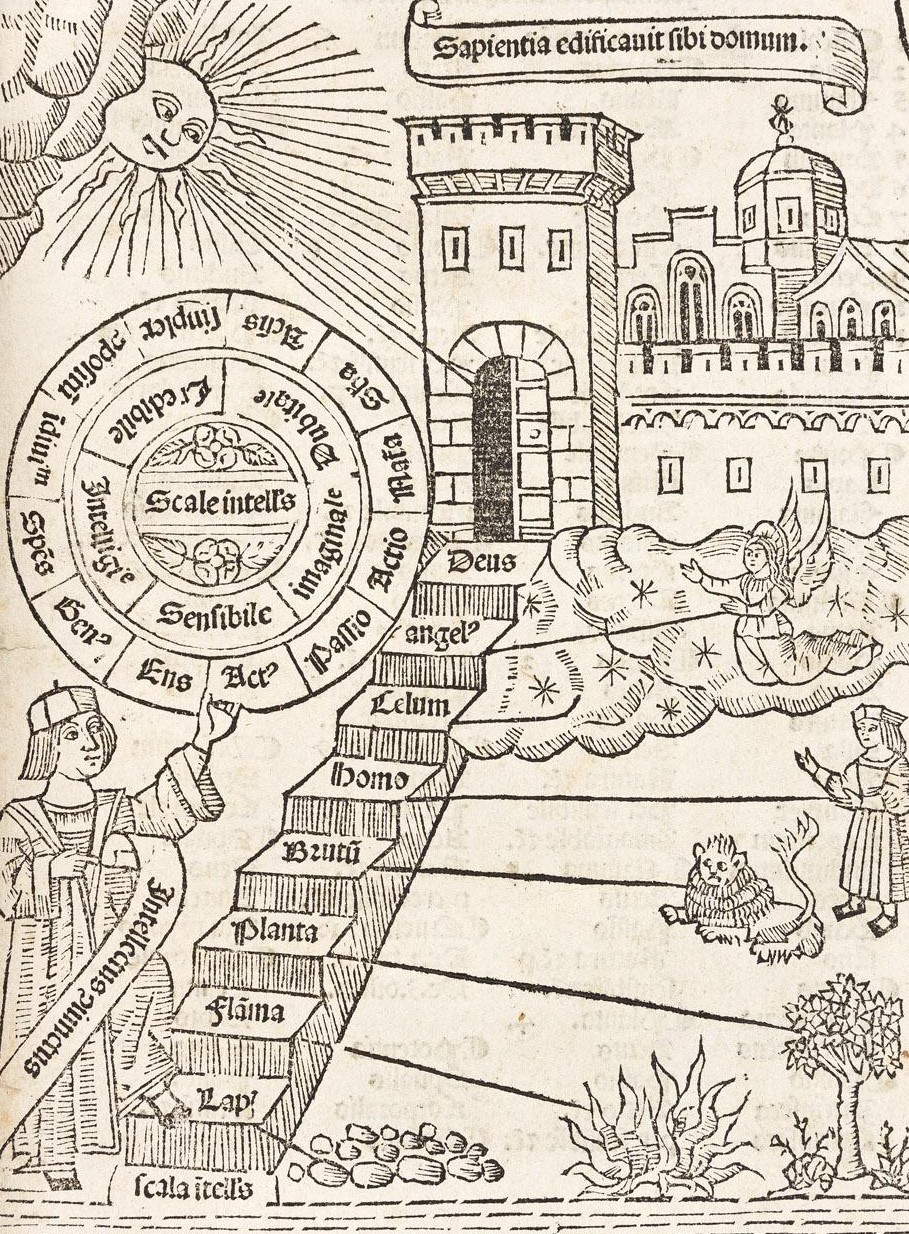
One of the particularities of philosophy is that its own history is part of its praxis. Fields such as the social or natural sciences may evolve over time, yet they do not draw upon their historical narratives as a basis for validating their conclusions. By contrast, philosophers philosophize by reconstructing the history of their field…
-
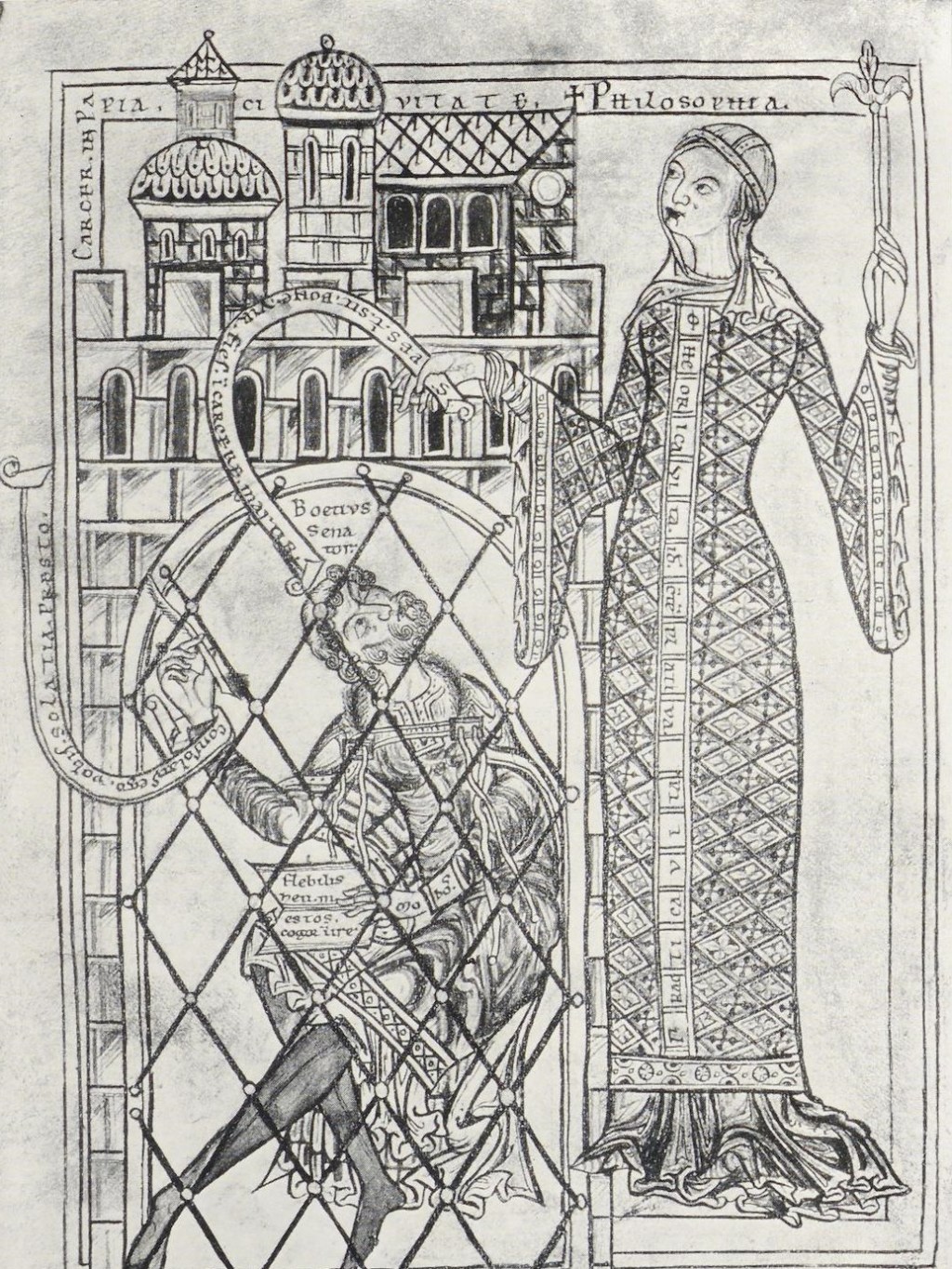
Est enim mentibus hominum ueri boni naturaliter inserta cupiditas, sed ad falsa deuius error abducit. “The human mind is inhabited by the natural desire of the true good–but a devious error leads it astray, to falseness.” (Boethius, De consolatione philosophiae III, 2) One of the twenty-first century’s defining intellectual achievements is its demand for moral…
-
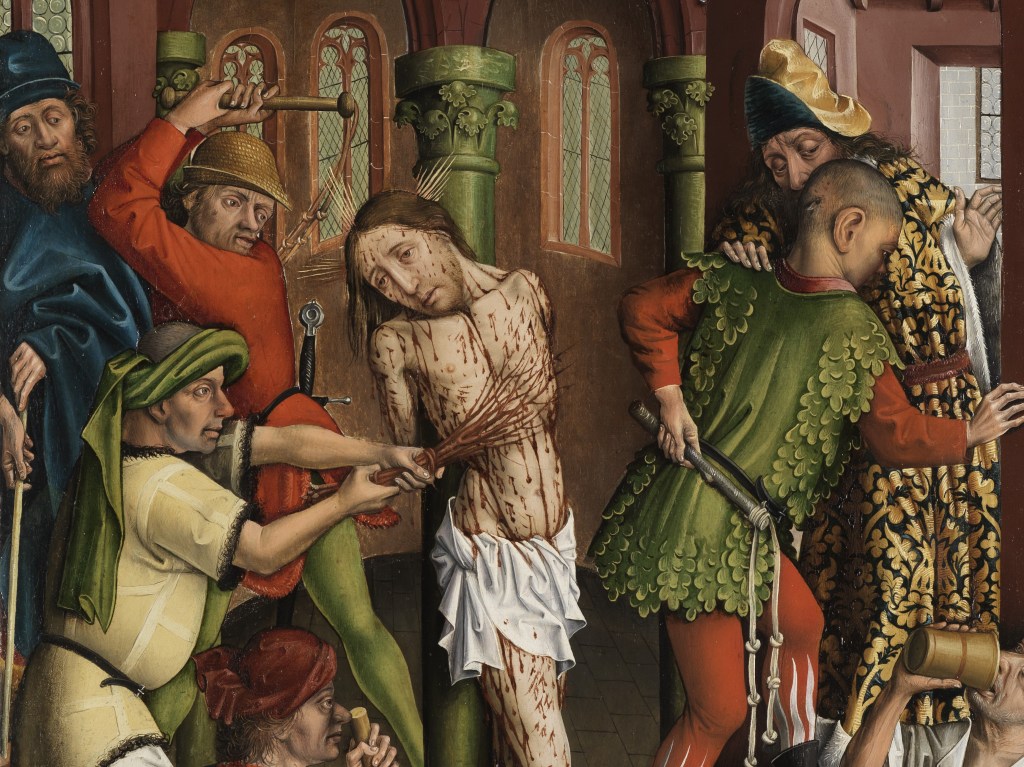
Qui autem te per contemtum mundanorum et carnis mortificationem sequuntur, vere sapientes esse cognoscuntur, quia de vanitate ad veritatem, et de carne ad spiritum transferuntur. Those who follow you by loathing worldly goods and mortifying their flesh will be known as wise, because they pass from vanity to truth, from the flesh to the spirit.…
-
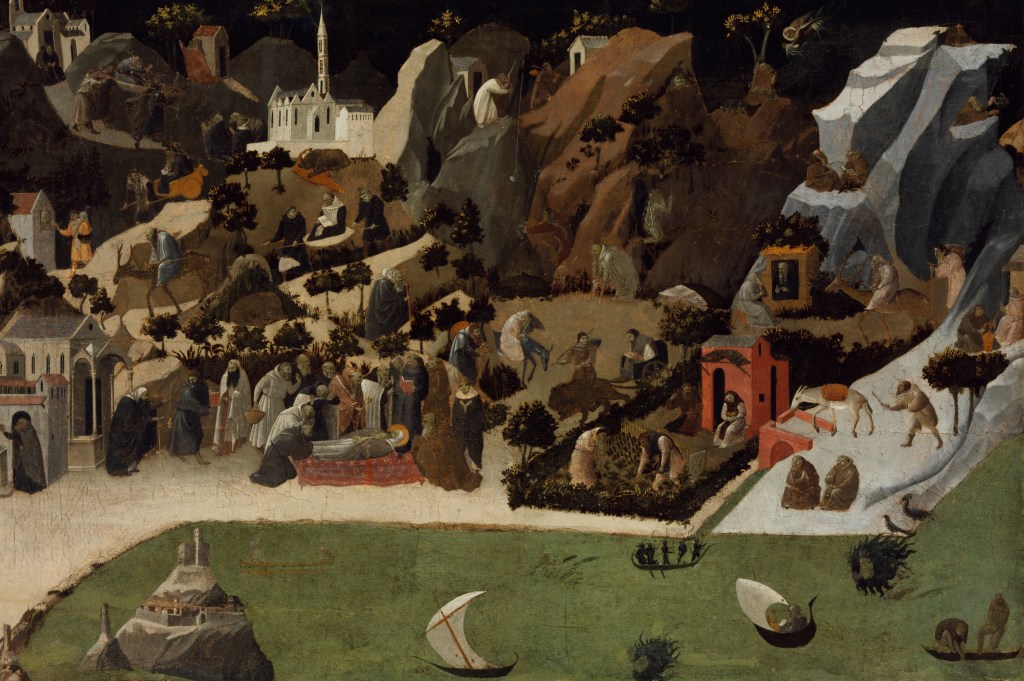
In the twenty-first century, it has become common again—in the US as much as in India—to invoke religious reasons for political decisions, and to appeal to sacred scriptures or dogma as sources of secular authority. Religion is seen as a framework constituted of immediately applicable, non-problematic rules: prohibitions for food and sexuality, imposed social hierarchies,…
-

I know what it takes to keep my head on straightPutting shit in my mind and body is not the wayI don’t need the drugs, I don’t need a crutchMy mind is all I’ll ever need to stay in touch Uniform Choice – “No Thanks” A paradigm shift that has been reshaping philosophy, theology, and…
-
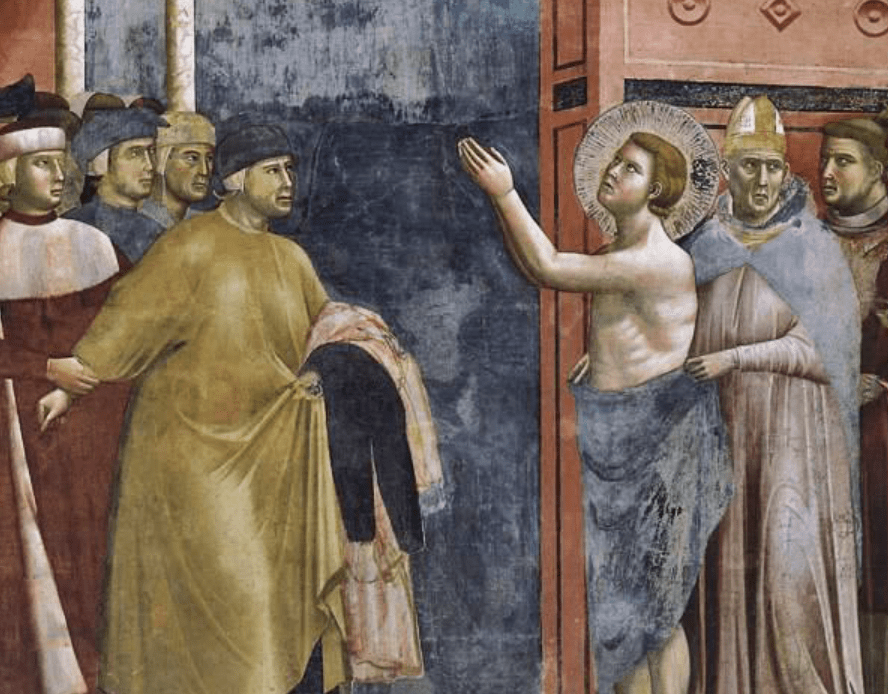
Paul Tillich writes, in his Systematic Theology: “A group, whether a family or mankind as a whole, does not participate in the effects of the New Being.” (I, 87) The family is meaningful, but it is not a Christian value—it is no ultimate. It is remarkable that, in the history of Christianity, one of the…
-

Hegel is a theorist of the Absolute. His system resembles premodern metaphysics in that it situates the Absolute in the divine Mind, Geist. The divine Mind is the object both of philosophy and theology. The innovative quality of Hegel’s system is that it explains why the Mind allows for these different perspectives, and why philosophy…
 Fetch the Pliers